
General Pest Control
Ants, cockroaches, spiders, silverfish and fleas, found where they hide and feed and treated there, with the gaps they use to get indoors closed as part of the work.
Insects That Share the House
General pest control is routine treatment for the insects that settle in alongside people: ants, cockroaches, spiders, silverfish and fleas. Dimondale Pest Services treats them in homes, rentals, apartments and small businesses around Lansing.
It often starts with a thin, moving line of ants between a window frame and a crumb by the toaster. The ants in sight are the few workers sent out to forage; following their line back to where it enters, and from there to the colony, is what ends it.
Large black ants indoors are a different problem. Carpenter ants nest in wood that has stayed damp, behind a leaking window, under a bathroom floor or beside wet insulation, and push out fine sawdust as they dig. They do not eat the wood, but their galleries weaken it, so finding the wet wood is part of treating them. They show up most in spring, when Lansing’s wet weather soaks sills and window frames. Damaged framing also comes up during termite inspections.

Signs of an Indoor Infestation
One stray insect is not an infestation. These signs point to insects living and breeding indoors:
- Ants that return to the same window sill, pet bowl or sugar jar day after day.
- Cockroaches out in daylight, or dark specks like ground pepper inside cabinets and drawers near the sink and stove.
- A musty, oily smell under the sink or behind the refrigerator.
- Small piles of sawdust or shed wings under a window, a door frame or a baseboard.
- Webs and egg sacs that return to the basement corners and floor joists within days of being cleared.
- Small ragged holes or yellow stains on paper, book bindings, wallpaper or stored clothes.
- Fleas jumping onto ankles from the carpet, or a pet that scratches more than usual.
- Shed skins or empty egg cases in cabinet corners or behind appliances.
Where Each Insect Hides
The trade’s approach differs from one insect to the next, and the places each one hides decide where treatment goes.
| Pest | Common signs | Usual places found | General approach |
|---|---|---|---|
| Odorous house and pavement ants | Trails of small dark ants; a rotten-coconut smell when odorous house ants are crushed; sand piles at pavement cracks | Counters, window sills, sink cabinets, slab edges and foundation cracks | Slow-acting bait on the trail; the entry sealed; the outside foundation treated where the label allows |
| Carpenter ants | Large black ants indoors, fine sawdust, winged ants in spring | Damp wood: window frames, sill plates, decks, bathroom floors | The nest and the moisture found; bait or a treatment into the nest; the wet wood repaired |
| German cockroaches | Small tan cockroaches with two dark stripes behind the head; pepper-like droppings; egg cases | Cabinet hinges, under sinks, behind the refrigerator and stove | Gel bait in cracks, an insect growth regulator, sticky monitors and a follow-up visit |
| American and Oriental cockroaches | Larger reddish-brown or very dark cockroaches, mostly at night | Basements, floor drains, sump pits, crawlspaces | Less moisture, gaps sealed, bait and dust along their routes |
| Spiders | Webs, egg sacs, spiders on walls and in window wells | Basement corners, joists, window wells, garages, around outdoor lights | Webs and egg sacs removed, gaps sealed, cracks treated where they shelter |
| Silverfish | Fast, silvery insects; ragged holes in paper and fabric | Bathrooms, damp basements, attics, stored boxes and books | Lower humidity, less clutter, dust in voids and cracks |
| Fleas | Bites around the ankles, a scratching pet, flea dirt in pet bedding | Pet beds, carpets, upholstered furniture | The pet treated by its vet at the same time, daily vacuuming, an indoor treatment with an insect growth regulator |
Spiders, Fleas and Silverfish
Why do we keep finding spiders in the basement?
A basement gives spiders quiet corners, joists to build on, and the small insects that come in through window wells and gaps at the sill. Most basement spiders are cellar spiders and house spiders, a nuisance far more than a danger. Vacuuming up webs and egg sacs and sealing the gaps that let their food in does more than spraying the spiders.
Our pet was treated for fleas, so why are we still seeing them?
The adult fleas on the pet are a small share of the population; most are eggs, larvae and pupae in carpets, pet beds and furniture. Pupae can wait in their cocoons for weeks and hatch when they sense movement, so new fleas keep appearing. Treating the pet on a vet’s advice, vacuuming daily and treating the house with an insect growth regulator at the same time breaks the cycle.
Do silverfish mean the house is too damp?
Usually some part of it is. Silverfish need high humidity and feed on starch: paper, glue, book bindings and wallpaper paste. A dehumidifier that keeps the basement at about 50 percent relative humidity or lower, fixed leaks and paper stored in closed plastic bins make the house far less inviting.
Baits, Dusts and Targeted Sprays
Routine treatment in the trade has moved away from spraying baseboards and toward small amounts of product placed where the insects live. Gel bait goes into hinge gaps and the voids behind cabinets, where cockroaches feed and carry it back to the others. Ant bait goes on the trail itself. Insecticidal dusts reach wall voids and the space under appliances, and keep working there while they stay dry.
Insect growth regulators stop young cockroaches and fleas from maturing and breeding, which matters for insects that lay many eggs. Outside, a band of product along the foundation, around doors and where pipes enter can stop ants and spiders before they come in, used where and as the label allows.
Cleanliness and moisture count as much as any product. A cockroach treatment will not hold where grease stays under the stove, and silverfish return to a basement that stays damp. Worn door sweeps, torn window screens and gaps around pipes let the next insects in, so closing them belongs with the treatment.
Each product is applied as its label directs, and the label and Michigan’s applicator rules apply on every visit.
Store Sprays and Gel Baits
Why do ants come back after we spray them with a store-bought spray?
A spray kills the workers it touches, but the colony and its queens stay in the wall or under the slab and send out new workers within days. Some ants, pharaoh ants in particular, split into several new colonies when sprayed. A slow-acting bait that workers carry home, set on the trail and left alone, reaches the colony; the trail may look busier for a day or two while they feed.
Are cockroach baits better than sprays?
For German cockroaches indoors, usually yes. Bait placed in the cracks where they hide is eaten and passed through the population, while many sprays repel cockroaches deeper into walls and appliances, and some populations resist common spray ingredients. Cleaning up grease and crumbs, and never spraying over the bait, keeps it working.
Getting the Kitchen and Basement Ready
A little preparation lets the visit reach the places the insects actually use:
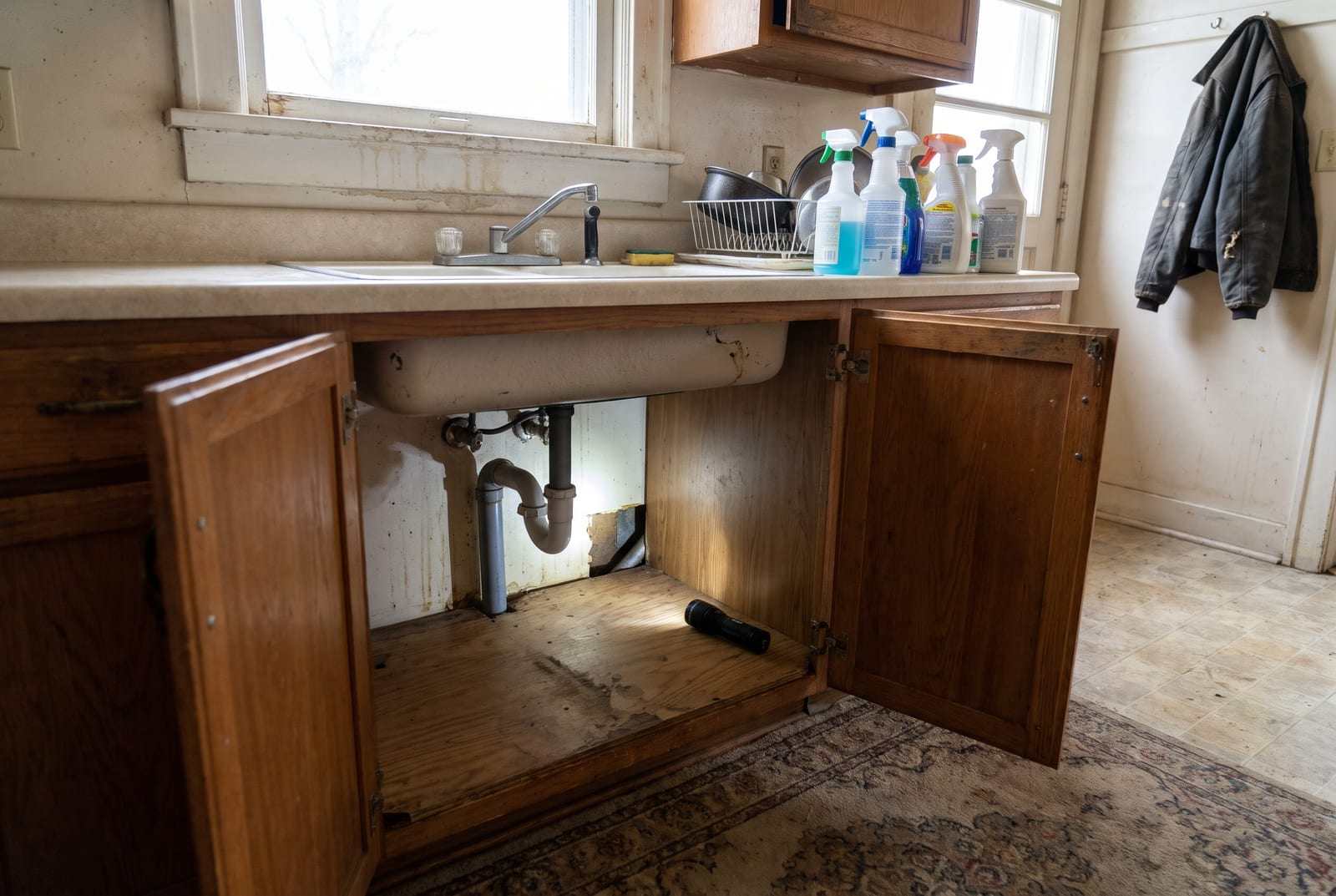
- Empty the cabinets under the kitchen and bathroom sinks, and the shelves where you have seen ants or cockroaches.
- Clear the floor along the kitchen walls, and pull the toaster, the coffee maker and other small appliances away from the backsplash.
- Keep a few dead insects in a sealed bag, or take a clear photo, and note the rooms and the times you see them.
- Before a flea treatment, wash pet bedding, vacuum carpets, cushions and the edges of rooms, and empty the vacuum outside.
- Lift stored boxes, books and papers off the basement floor, where silverfish and spiders shelter.
- Wipe up standing water under sinks and around floor drains, and mention any leak you know of.
Ants, Roaches and Spiders in the House
Describe the insect, the rooms it turns up in and how long it has been there, and the visit is planned around it.